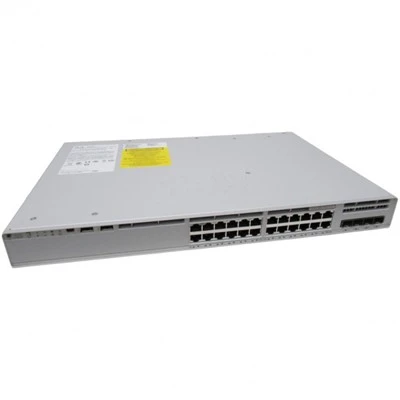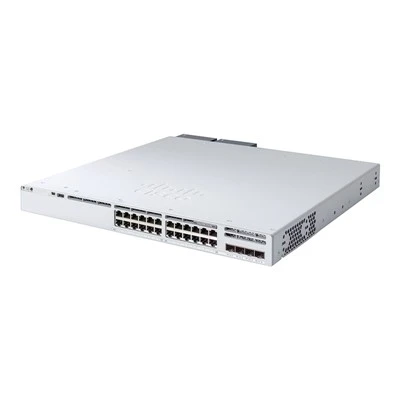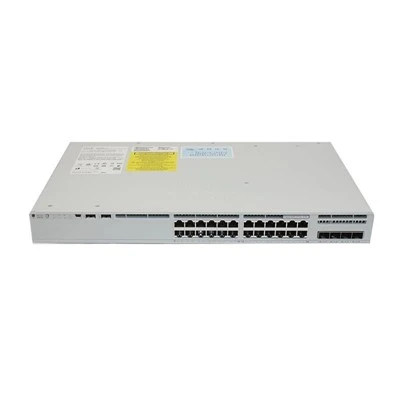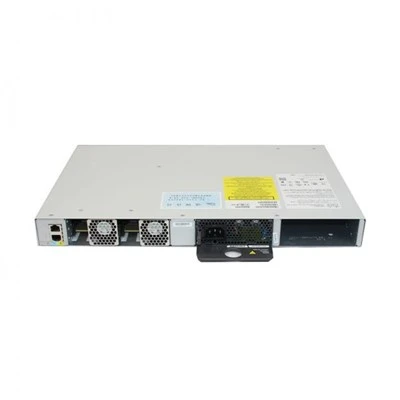

With the continuous advancement of wireless networking technologies, organizations now demand wider coverage, more stable connectivity, and greater mobility support. Cisco access points, as key components of wireless networks, are widely deployed across various industries and network environments, providing stable and efficient wireless connectivity services.
In enterprise office environments, Cisco access points are mainly used to build corporate wireless local area networks, enabling seamless connectivity for employee devices. With the rise of mobile work and collaborative operations, employees can move freely within the workplace without experiencing network interruptions, which significantly improves productivity. When combined with wireless controllers, access points also enable centralized management and network optimization, ensuring stable network performance.
In the education sector, Cisco access points are widely used in campus wireless network deployment. Schools need to support a large number of simultaneous users for online learning, resource access, and interactive teaching activities. Cisco access points provide strong concurrent access capabilities and stable signal coverage, meeting the networking needs of classrooms, libraries, and dormitories.
In the healthcare industry, network stability and security are particularly important. Cisco access points are used to build internal hospital wireless systems, supporting mobile ward rounds, electronic medical record access, and connected medical devices. This improves operational efficiency and enhances digital healthcare services.
In public venues such as hotels, shopping malls, and airports, Cisco access points provide public wireless access services. Even with a high number of concurrent users, they maintain stable performance while using traffic management and security policies to ensure network quality and data protection.
In industrial and manufacturing environments, Cisco access points also support IoT connectivity, enabling data collection from production equipment and remote monitoring systems, contributing to the development of smart manufacturing.
Overall, Cisco access points are widely used across enterprises, education, healthcare, and public service sectors due to their stable wireless performance, high concurrency support, and flexible deployment, making them a fundamental component of modern wireless network infrastructure.