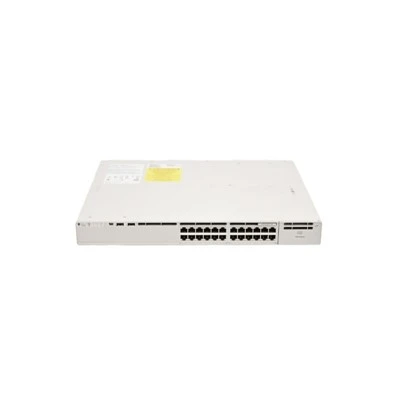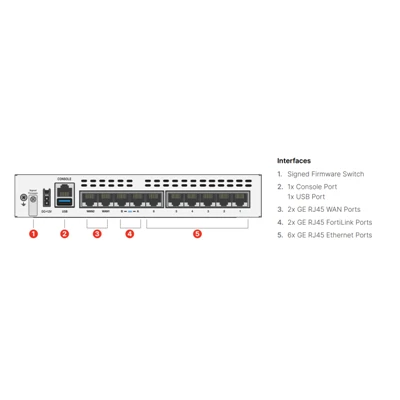

In enterprise wireless network deployments, access points are core components responsible for wireless coverage and data transmission. Cisco access points are widely used in business offices, educational institutions, healthcare systems, and large public venues due to their stable performance, advanced architecture, and strong scalability. Their key features are reflected not only in wireless connectivity but also in network management, security, and overall performance optimization.
One of the main features of Cisco access points is strong wireless coverage capability. With high-performance radio design and multi-antenna technology, these devices can provide stable wireless signals over a wide area, reducing coverage gaps and improving connection quality. Even in high-density environments such as conference rooms or campuses, they can maintain a reliable user experience.
Another important feature is high concurrent access support. Enterprise networks often need to handle a large number of devices simultaneously, including laptops, smartphones, and IoT devices. Cisco access points optimize traffic scheduling and bandwidth allocation to ensure stable performance even when many devices are connected at the same time.
In terms of management, Cisco access points typically support centralized control systems. Through wireless controllers or cloud-based platforms, administrators can configure multiple access points in a unified way, managing channels, adjusting transmission power, balancing load, and monitoring faults, which significantly reduces operational complexity and improves efficiency.
Security is also a key feature of Cisco access points. These devices support multiple wireless encryption standards such as WPA2 and WPA3, and combined with access control mechanisms, they help prevent unauthorized devices from joining the network and protect sensitive enterprise data during transmission.
In addition, Cisco access points offer strong scalability and compatibility. As enterprise networks grow, they can be easily expanded to extend coverage and work seamlessly with routers and switches to build a complete wireless infrastructure.
Overall, Cisco access points have become essential components of modern wireless networks due to their stable performance, high concurrency support, centralized management capabilities, and robust security mechanisms.