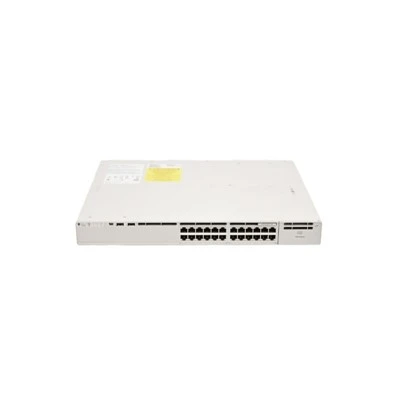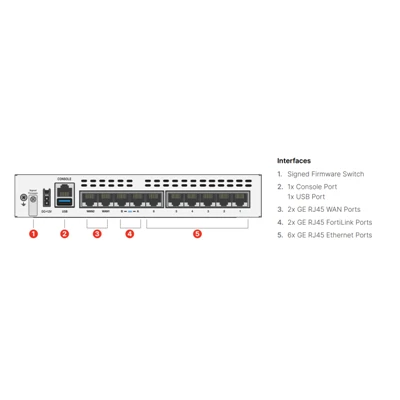

Cisco switches, developed by Cisco Systems, are widely used in enterprise network environments. Proper use of configuration and management techniques not only improves network efficiency but also enhances stability and security.
During initial configuration, it is important to follow standardized management practices. When using the command-line interface, administrators should maintain consistent naming conventions, port descriptions, and VLAN structures. This facilitates easier maintenance and troubleshooting. Saving configuration files in a timely manner is also essential to ensure that settings are not lost after a reboot, contributing to overall network stability.
In VLAN planning, network segmentation should be based on business requirements. Different departments or services should be isolated into separate virtual networks. This helps reduce broadcast traffic and improves security. For inter-VLAN communication, Layer 3 switching or routing devices can be used to achieve efficient connectivity.
For port management, speed and duplex settings should be properly configured to avoid performance degradation caused by mismatched parameters. Unused ports are recommended to be disabled or assigned to isolated VLANs to reduce potential security risks.
In link optimization, link aggregation technology can be applied to combine multiple physical ports into a single logical link. This increases bandwidth utilization and provides redundancy, allowing traffic to be automatically rerouted in case of link failure, ensuring network continuity.
From a security perspective, port security features should be enabled to restrict unauthorized device access, and access control lists should be implemented to filter traffic. Regular firmware updates are also important to patch vulnerabilities and maintain system security.
In daily operations, monitoring tools can be used to track traffic conditions, CPU usage, and port status in real time. This helps detect anomalies early and ensures long-term network stability.
Overall, effective use of Cisco switch configuration and management techniques can significantly improve network performance, security, and maintainability, providing a reliable foundation for enterprise networking environments.