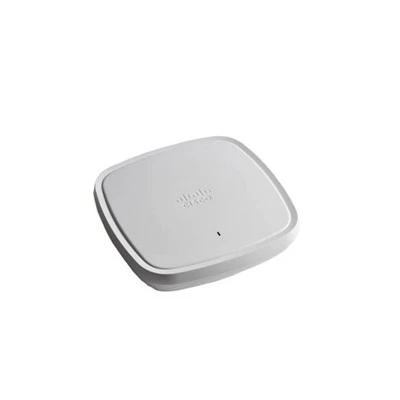



In the realm of network security, firewalls stand as the front - line defenders, safeguarding our digital perimeters from a multitude of threats. As a leading firewalls supplier, I've witnessed firsthand the critical role that firewalls play in modern networks. One of the most important yet often misunderstood aspects of a firewall is its latency. In this blog, we'll delve into what firewall latency is, why it matters, and how it impacts your network performance.
Understanding Firewall Latency
Firewall latency refers to the time delay that occurs when a packet of data passes through a firewall. It is essentially the amount of time it takes for a firewall to inspect, process, and forward a packet from its source to its destination. This delay is measured in milliseconds (ms) and can have a significant impact on the overall performance of your network.
There are several factors that contribute to firewall latency. Firstly, the complexity of the firewall's ruleset plays a crucial role. A firewall with a large number of rules needs to perform more extensive inspections on each packet, which can increase the processing time. For example, if a firewall has rules for multiple security policies, such as access control lists, intrusion prevention, and application filtering, it will take longer to analyze each packet against these rules.
Secondly, the hardware capabilities of the firewall also affect latency. Firewalls with more powerful processors, larger amounts of memory, and high - speed network interfaces can process packets more quickly. On the other hand, older or under - powered firewalls may struggle to keep up with the volume of traffic, leading to increased latency.
The type of traffic passing through the firewall is another factor. Some types of traffic, such as real - time applications like voice over IP (VoIP) and video conferencing, are extremely sensitive to latency. Even a small delay can cause noticeable disruptions, such as choppy audio or frozen video. In contrast, non - real - time traffic like email and file transfers can tolerate a higher level of latency without significant impact.
Why Firewall Latency Matters
The importance of firewall latency cannot be overstated. In today's digital age, where businesses rely heavily on real - time applications and high - speed data transfer, even a slight increase in latency can have a profound impact on productivity and user experience.
For businesses, high firewall latency can lead to slower application performance, which can translate into lost revenue. For example, an e - commerce website with slow page load times due to firewall latency may lose customers to competitors. Similarly, financial institutions that rely on real - time trading systems need low - latency firewalls to ensure accurate and timely transactions.
In addition to business applications, firewall latency also affects end - users. High latency can make online gaming unplayable, as it causes lag between the player's actions and the game's response. It can also make streaming services less enjoyable, with buffering and interruptions becoming more frequent.


Measuring Firewall Latency
Measuring firewall latency is a crucial step in ensuring optimal network performance. There are several methods available for measuring latency, each with its own advantages and disadvantages.
One common method is to use network monitoring tools. These tools can measure the time it takes for a packet to travel from a source to a destination through the firewall. They can also provide detailed information about the latency at different points in the network, allowing network administrators to identify and troubleshoot any issues.
Another method is to use ping tests. A ping test sends a small packet of data to a specific IP address and measures the time it takes for the packet to return. By performing ping tests before and after the firewall, network administrators can determine the additional latency introduced by the firewall.
Minimizing Firewall Latency
As a firewalls supplier, we understand the importance of minimizing firewall latency. Here are some strategies that can help reduce latency and improve network performance:
- Optimize the Ruleset: Review and simplify your firewall ruleset regularly. Remove any unnecessary rules and consolidate similar rules to reduce the processing time for each packet.
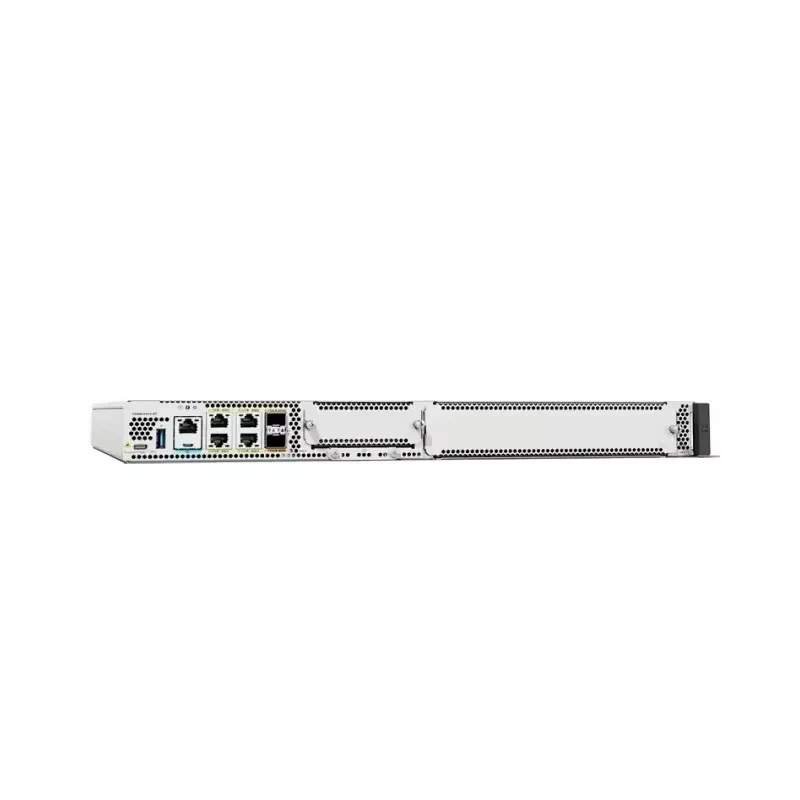
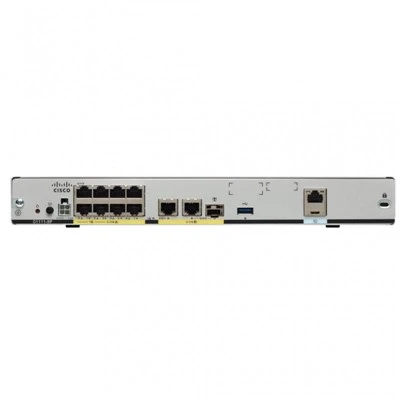
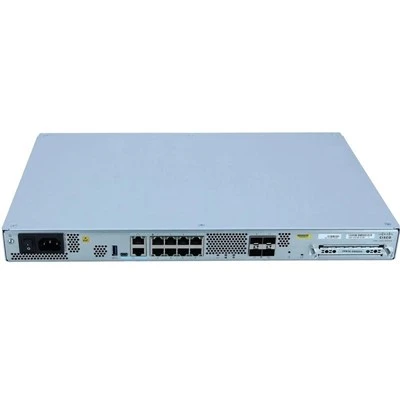
- Upgrade Hardware: Consider upgrading your firewall hardware to more powerful models. For example, our FPR3105 - ASA - K9 and FPR3140 - ASA - K9 models are equipped with high - performance processors and large amounts of memory, allowing them to handle high - volume traffic with minimal latency.
- Use Traffic Shaping: Implement traffic shaping policies to prioritize real - time traffic over non - real - time traffic. This ensures that critical applications receive the necessary bandwidth and experience minimal latency.
- Deploy Multiple Firewalls: In large networks, deploying multiple firewalls in a distributed manner can help distribute the traffic load and reduce latency. Our FPR1150 - NGFW - K9, FPR3120 - ASA - K9, and FPR1120 - ASA - K9 models are suitable for different network sizes and can be deployed in a multi - firewall architecture.
Impact of Firewall Latency on Different Industries
Different industries have different requirements when it comes to firewall latency. Let's take a look at how firewall latency impacts some key industries:
- Finance: In the finance industry, where real - time trading and high - frequency transactions are the norm, low - latency firewalls are essential. Even a millisecond of delay can result in significant financial losses. Our firewalls are designed to meet the strict latency requirements of the finance industry, ensuring secure and efficient transactions.
- Healthcare: Healthcare organizations rely on real - time data transfer for patient care, such as telemedicine and electronic health records. High firewall latency can disrupt these services, potentially putting patient safety at risk. Our firewalls provide low - latency solutions to ensure that healthcare providers can access critical patient information in a timely manner.
- Education: In the education sector, online learning platforms and video conferencing are becoming increasingly popular. Firewall latency can cause disruptions in these services, making it difficult for students and teachers to interact effectively. Our firewalls can help minimize latency and provide a seamless learning experience.
Conclusion
Firewall latency is a critical factor in network performance. As a firewalls supplier, we are committed to providing high - quality firewalls that offer low latency and excellent security. Whether you are a small business or a large enterprise, understanding and managing firewall latency is essential for ensuring optimal network performance.
If you are interested in learning more about our firewalls and how they can help you reduce latency and improve network security, we invite you to contact us for a procurement discussion. Our team of experts is ready to assist you in finding the right firewall solution for your specific needs.
References
- “Network Security Fundamentals,” Cisco Press.
- “Understanding Firewall Performance,” Juniper Networks.
- “Latency in Network Systems,” IEEE Transactions on Networking.