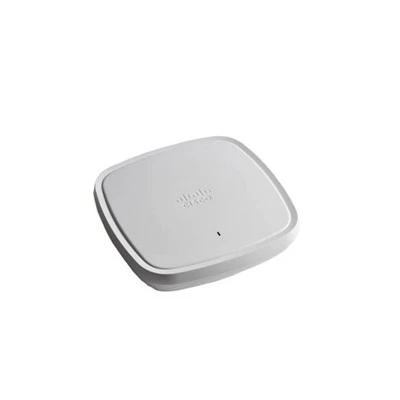



As a supplier of the C9130AXE, I often get asked about the power consumption of this remarkable wireless access point. In this blog post, I'll delve into the details of the C9130AXE's power consumption, compare it with other models, and explain why understanding power usage is crucial for network infrastructure planning.
Understanding the C9130AXE
The C9130AXE is a high - performance wireless access point designed to meet the demands of modern wireless networks. It offers advanced features such as Wi - Fi 6E support, which provides enhanced speed, capacity, and reliability. You can find more detailed information about the C9130AXE on its official page C9130AXE.
Power Consumption Basics
Power consumption is an important factor to consider when deploying wireless access points. It not only affects the operational cost but also the overall energy efficiency of the network. The power consumption of a wireless access point is typically measured in watts (W).
The C9130AXE has a variable power consumption depending on its operating mode and configuration. In general, it has a maximum power draw when all its features are fully utilized, and a lower power consumption during idle or less - demanding operations.
Maximum Power Consumption
The maximum power consumption of the C9130AXE is around 25.5 watts. This high - power mode is usually engaged when the access point is operating at full capacity, for example, when it is handling a large number of connected devices, streaming high - definition content, or using all of its radio bands simultaneously.
This relatively high power consumption is justified by the advanced capabilities of the C9130AXE. Wi - Fi 6E technology requires more power to provide the high - speed data transfer and low - latency performance that modern applications demand. The access point also has multiple radio transceivers and advanced signal processing capabilities, which contribute to its power requirements.
Idle Power Consumption
When the C9130AXE is in an idle state, its power consumption drops significantly. In idle mode, the access point may consume as little as 10 - 12 watts. This is because it is not actively transmitting or receiving large amounts of data and can conserve energy by reducing the power to its radio components and other subsystems.
Comparison with Other Models
To put the power consumption of the C9130AXE into perspective, let's compare it with other similar wireless access points in the market.
The C9115AXE is another wireless access point from the same product line. It has a maximum power consumption of around 18 watts. The C9115AXE is a more compact and less - powerful model compared to the C9130AXE. It is suitable for smaller environments with fewer connected devices.
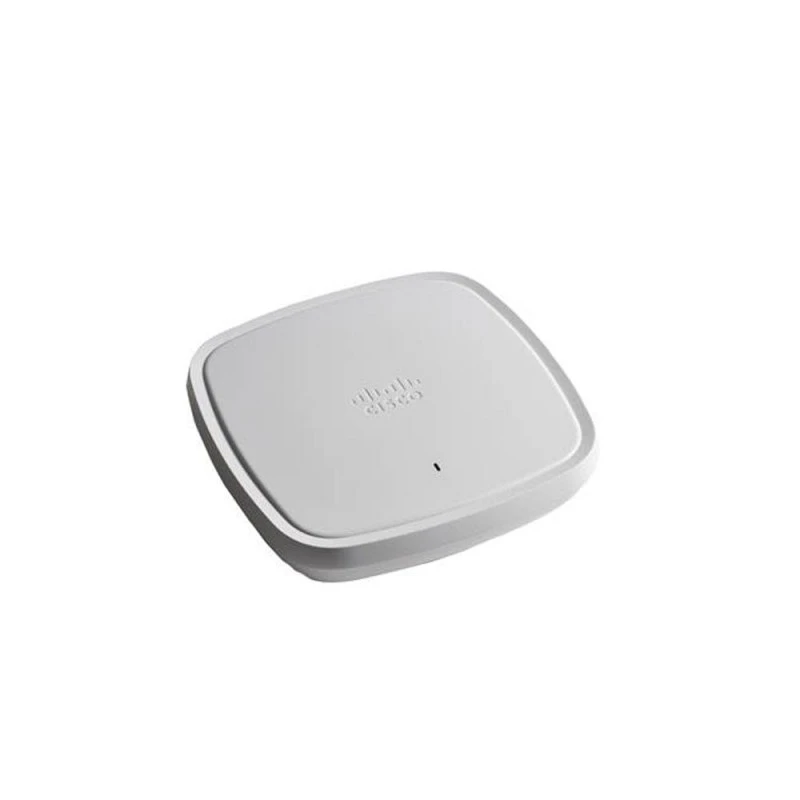

The C9115AXI is also in the same family. It has a maximum power consumption of approximately 15 watts. The C9115AXI is designed for indoor use and has a lower power requirement due to its more limited feature set.
Factors Affecting Power Consumption
Several factors can affect the power consumption of the C9130AXE:
- Number of Connected Devices: The more devices connected to the access point, the higher the power consumption. Each connected device requires the access point to allocate resources for data transmission and reception.
- Data Traffic: High - speed data traffic, such as video streaming or large file transfers, increases the power consumption. The access point needs to work harder to process and transmit the data.
- Radio Band Usage: Using multiple radio bands simultaneously, such as 2.4 GHz, 5 GHz, and 6 GHz in the case of Wi - Fi 6E, increases the power consumption.
- Environmental Conditions: Extreme temperatures can also affect the power consumption. In very hot or cold environments, the access point may need to use more power to maintain its optimal operating temperature.
Importance of Power Consumption in Network Planning
Understanding the power consumption of the C9130AXE is crucial for network planning. Here are some reasons why:
- Cost Estimation: Power consumption directly impacts the operational cost of the network. By knowing the power requirements of the C9130AXE, network administrators can estimate the electricity cost and budget accordingly.
- Power Supply Capacity: When deploying multiple access points, it is important to ensure that the power supply can handle the total power load. If the power supply is insufficient, it can lead to unstable network performance or even device failures.
- Energy Efficiency: With the increasing focus on environmental sustainability, energy - efficient network infrastructure is becoming more important. By choosing access points with lower power consumption, organizations can reduce their carbon footprint.
Tips for Reducing Power Consumption
If you are concerned about the power consumption of the C9130AXE, here are some tips to help reduce it:
- Optimize Device Placement: Proper placement of the access point can improve signal strength and reduce the need for high - power transmission. Avoid placing the access point near obstacles or interference sources.
- Configure Power - Saving Modes: The C9130AXE has built - in power - saving features. You can configure these settings to adjust the power consumption based on the network usage.
- Regular Maintenance: Keeping the access point clean and well - maintained can ensure efficient operation and reduce power consumption.
Conclusion
The C9130AXE is a powerful and feature - rich wireless access point with a variable power consumption depending on its operating mode. Its maximum power consumption is around 25.5 watts, while the idle power consumption is much lower. Understanding the power consumption of the C9130AXE is essential for network planning, cost estimation, and energy efficiency.
If you are considering purchasing the C9130AXE or need more information about its power consumption and other features, feel free to reach out for a procurement discussion. We are here to help you make the best decision for your network infrastructure.
References
- Cisco official documentation on wireless access points
- Industry reports on wireless network power consumption