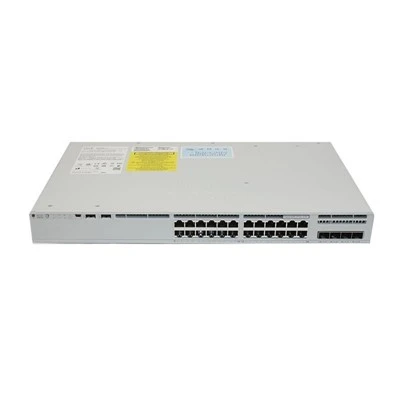



Normalize the exact SKU, kit contents, stock status and destination terms.
Two quotes for a Cisco switch can show the same chassis price while covering different installations. A Cisco switch quote comparison should match the complete orderable SKU, approved software and support scope, required accessories, evidence of availability and destination terms before comparing totals. For a branch buyer, the meaningful number is what it costs to receive the agreed configuration and put it into service.
Start with one controlled bill of requirements. AITI's Cisco switch catalog helps identify candidates, and Cisco's current documentation describes the hardware and ordering options. For example, the Catalyst 9200 data sheet distinguishes fixed-uplink C9200L variants from modular C9200 switches. Even within one family, a short description such as "24-port Catalyst" leaves several decisions unresolved. Have the network owner confirm the required chassis, uplinks, power and feature expectations before comparing suppliers' prices.

Make the quotation lines comparable
Put the original request in the first column. Ask each supplier to show the full item it is offering in the next column. Keep manufacturer part numbers, packaging condition, quantities and options visible. If a seller writes a family name, request the complete SKU and document any proposed difference. One offer can be commercially attractive while still needing the engineer's review before it qualifies for comparison.
For a replacement order, obtain the installed equipment identifier and confirm what is expected to move to the replacement. That may include existing optics, rack hardware or stack accessories where supported. Have the technical owner determine what can be reused in the intended configuration. A quote should distinguish included supplier lines from customer-furnished items. It should also show who checks the missing or reused item before a site visit.
Look at orderable descriptions and license or support terms in their own fields. Confirm the actual scope with the seller and applicable Cisco documentation. A hardware line alone does not establish the term, available services or rights needed for a deployment. AITI can clarify the proposed commercial lines for its own offer. Correct the identifier before trying to compare service costs across vendors.
Compare the delivered scope in one table
| Buyer requirement | Evidence to request from each seller | What to normalize before deciding |
|---|---|---|
| Exact chassis | Complete orderable code, condition and count | Same approved configuration or explicit alternative |
| Operational kit | Exact approved cord, rack parts, optics and other hardware | Included, optional and customer-furnished items |
| Software and support | Applicable entitlement or agreement information | Covered scope, term and operating assumptions |
| Availability | Time-stamped response by exact code and quantity | Confirmed lines, expected lines and outstanding evidence |
| Destination terms | Currency, tax and freight basis, named delivery details | Same delivered comparison basis |
| Acceptance | Expected identity evidence and agreed claim procedure | What can be checked at receipt and after installation |
In a fictitious example, offer A includes two chassis at 900 currency units each and omits two required rack kits at 45 each. Offer B includes the kits and offers two complete sets at 940 each. Before freight and any tax differences, A totals 1,890 and B totals 1,880. The exercise says nothing about Cisco pricing. It shows why a buyer must compare complete eligible sets. If the customer already has approved kits in usable stock, the result changes and the reuse assumption should be written on the order review.
Ask a question the availability reply can answer
Send the complete model code, quantity and required destination date. Ask each company to distinguish the chassis, regional accessory lines and items still awaiting confirmation. Request the basis for the current status and the time it applies. A catalog listing gives the buyer a point of contact, while order-level supply needs a current response. If a supplier proposes a split delivery, ask whether the first shipment forms an installable set or only a partial kit.
Where one line is an alternative, keep that option out of the approved comparison until it is reviewed. If a stakeholder says a substitute is acceptable for one closet, record its effective location and required accessories. The same alternative may fail another closet's uplink or mounting requirement. Avoid carrying an informal approval into a later order for different sites.
Ask for a quote revision that clearly identifies changes. Commercial validity, dates and actual supply can move between an inquiry and purchase. Keep the visible changes beside their affected line items. A supplier's revised total is easy to review when quantity, identity and any stock or delivery change are independently labeled.
Confirm the signed file before purchase
Hand the comparison to the engineer and commercial owner. The engineer checks compatibility and authorized alternatives. The commercial owner confirms complete scope, evidence and terms. Give receiving the exact approved item identities and any check that must wait until the unit is opened or installed. Make the responsible person clear for each open issue.
A regional delivery can involve accessories different from those shipped to another office. Confirm the accepted power cord and destination requirement in advance. If the approved accessory travels separately, give the packing team and site coordinator a common order reference. The branch should be able to reconcile the number of complete kits without searching through unrelated shipments.
For a service spare, hold a short dry run with the site record. Ask the technician to identify which approved chassis and accessory items the location would use. If the technician needs an undocumented part from another rack, return the decision to the network team. A credible quote comparison ends with an eligible kit and a practical route to installation. Price becomes part of that decision after the scope is understood.
When procurement changes suppliers on a repeat order, verify the terms and actual configuration again. Use the previous accepted comparison as a reference and ask the new supplier to show any difference. Preserve the old revision for installations that rely on it. The receiving record should describe what actually arrived, while the quote comparison explains why that item was approved. This matters when a later maintenance team needs to identify a valid replacement quickly.
Reconcile the quote at the destination
An experienced buyer can often resolve a scope discrepancy by asking the receiving team to read a proposed PO before it is sent. Give them the exact code and the expected pieces per site. Ask whether cartons can be assigned to the correct work order from the visible identifiers. If accessories ship separately, keep them on identified order lines with quantity and destination so they can be paired with the switch without opening unrelated cartons.
For comparison, label price validity and availability validity separately. A written price can remain in force while the quantity quoted is no longer available on the same dates. Ask whether the seller has provided a dated availability check or an actual allocation under the agreed terms. Until the scope is confirmed, avoid combining a firm price with an assumed delivery and presenting both as firm.
Use one named approval for the accepted technical scope and another for the final commercial choice where the organization assigns those roles. Capture assumptions about reuse, transport and receiving for the winning offer. If a later review is needed, keep the other seller's original reply so its excluded fields are still visible. The exercise helps procurement explain why one apparently cheaper quote did not correspond to the same installed result.
A separate service line can be important. Confirm its applicable hardware, term and documented entitlement. In a quote with several destinations, clarify whether commercial support or fulfillment differs between locations. Have the customer compare the actual documentation and written offer. Ask the supplier to mark unconfirmed conditions before the buyer uses them as a basis for commitment.
When suppliers use different currencies, record the agreed conversion basis and the commercial assumptions that affect freight or tax. Date the comparison and preserve the actual offers. If a seller adds a separate line after the last review, ask whether the original proposed configuration is still available and compare the new total. A total-only revision can hide an adjusted quantity or a change in delivery scope. A line-by-line record is particularly useful for mixed destination orders where the exact power or mounting items differ by site.
Review one proposed kit with someone who did not write the RFQ. They should be able to locate the applicable switch identity, accessory assumptions, approval and required date. If they cannot tell which parts are already available at the site, ask the customer to verify the stock separately. This can make the updated quote clearer and also prevents the buyer from purchasing a part that the site has already reserved for another project.
Review each included kit with the site lead before presenting the quote to purchasing. Ask which items already exist, which are correct for that rack and whether any were reserved for other work. By recording the kit on the quote alongside the switch SKU, the buyer can see what will actually arrive. Keep the kit available as a separate record for site receiving.
Questions before the order
What identifies a comparable chassis?
Use the complete orderable code and approved operational requirements. Reference family documentation and the actual installed equipment when the purchase is a replacement.
Should accessory parts be counted in both offers?
Yes, if required for the same deployment. Mark each one as included, separately priced or customer-furnished and record the quantity by location.
Can a faster alternate be compared immediately?
Keep it as a candidate and have the technical owner assess its exact identity and conditions. Include it in the approved comparison once scope is confirmed.
How should a regional plug be quoted?
Ask for the actual included cord and obtain destination approval. Separate the value of the cord from other power or rack items so a short delivery is visible.
Does a public listing confirm stock?
Request a documented current status for the actual code, quantity and need-by date. Preserve the reply with the corresponding quotation revision.
What does a warehouse need on the purchase order?
Give it approved item and accessory identities, counts, the applicable condition and instructions for any exception. Keep operational tests with the people authorized to perform them.
Ask AITI for an itemized comparison
Send AITI the approved Cisco codes, exact destinations, requirements and required quantities. Ask for availability by line, accessory details and any proposed alternative identified separately.