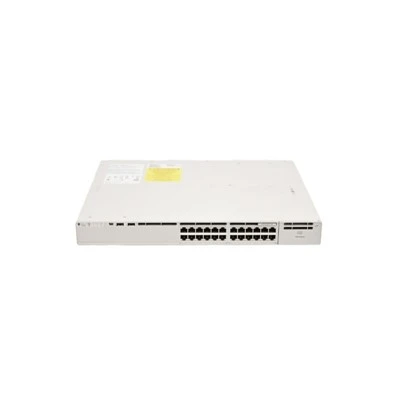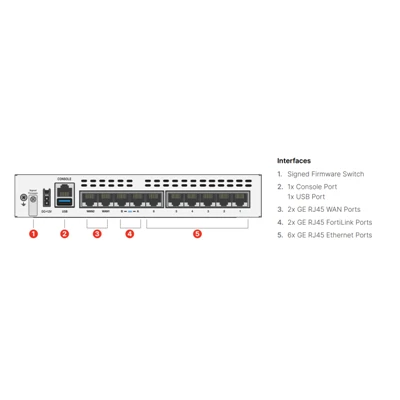

Cisco switches, provided by Cisco Systems, play a vital role in enterprise networks by handling data forwarding and communication management. To ensure long-term stability and efficient operation, systematic performance inspections are an essential part of network maintenance, aimed at identifying potential bottlenecks and optimizing overall network quality.
The first area of focus is throughput performance. It is necessary to regularly evaluate the actual forwarding capacity of the switch, including port bandwidth utilization and overall switching performance. Sustained high-load conditions may indicate network design limitations, which often require bandwidth expansion or traffic optimization.
Latency and packet loss are also critical indicators. Monitoring transmission delay and abnormal packet loss helps ensure stable service delivery. High latency or frequent packet loss can significantly impact applications such as video conferencing, cloud services, and real-time data transmission, making timely troubleshooting essential.
CPU and memory utilization should be closely observed, especially under high-concurrency workloads. Consistently high CPU usage may suggest intensive protocol processing or abnormal traffic patterns, requiring log analysis and configuration optimization. Irregular memory usage can also affect system stability and may lead to unexpected reboots.
Port health status is another important aspect. Administrators should check speed negotiation, error packet counts, and link status for each interface. Elevated error rates are often related to cable issues, interface aging, or configuration mismatches and should be addressed promptly.
Traffic analysis is also valuable for performance evaluation. By using network monitoring tools, administrators can examine traffic distribution across different services, identify congestion points or abnormal access patterns, and optimize VLAN design or apply traffic control policies accordingly.
Redundancy and stability testing should also be performed to verify link aggregation and failover mechanisms. This ensures that the network can continue operating smoothly even in the event of link failures, improving overall resilience.
Overall, by evaluating throughput, latency, packet loss, resource utilization, port status, and traffic patterns, the performance of Cisco switches can be comprehensively assessed, ensuring a network that remains efficient, stable, and secure.