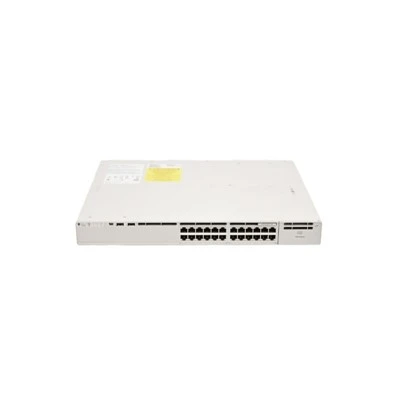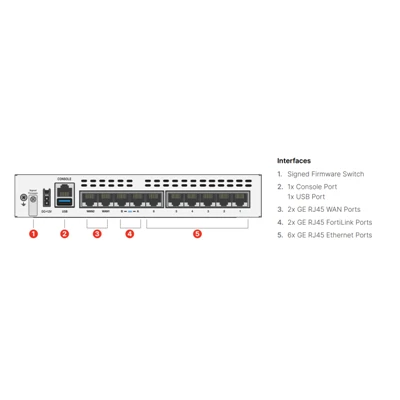

In modern network environments, routers are essential devices that enable communication between different networks. Cisco routers are widely used in enterprises, schools, data centers, and carrier networks because of their reliable performance and advanced technology. Understanding how Cisco routers work is important for network construction and maintenance.
The primary function of a Cisco router is to forward data packets to the correct destination network based on IP addresses. When a computer sends data, the information first enters the router. The router then checks its internal routing table to determine the best interface and transmission path for the data. This process improves communication efficiency and reduces network delays.
In practical applications, Cisco routers support both static routing and dynamic routing. Static routing is manually configured by network administrators and is suitable for smaller and simpler network structures. Dynamic routing, however, can automatically learn and update network paths through protocols such as OSPF, RIP, and BGP, making it ideal for large enterprises and complex network environments. If a network failure or link change occurs, dynamic routing can automatically select a new path to maintain stable network operation.
In addition to data forwarding, Cisco routers also provide strong security features. Technologies such as access control lists, firewall policies, and VPN encryption help protect internal company data from unauthorized access and cyber threats. Cisco devices also support traffic management and bandwidth control, allowing businesses to optimize network performance and resource usage.
As cloud computing and digital office solutions continue to grow, companies now demand higher levels of network stability and security. With their high performance, reliability, and comprehensive technical support, Cisco routers have become an important part of modern enterprise network infrastructure.