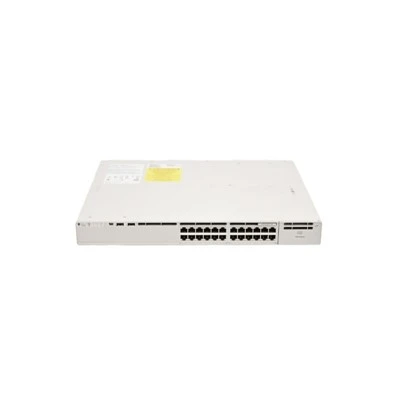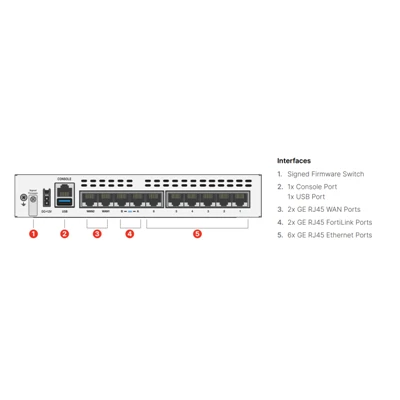

With the continuous advancement of industrial automation and intelligent manufacturing, industrial networks place increasingly high demands on reliability, environmental adaptability, and data processing efficiency. As a core component of industrial networking systems, Cisco industrial switches are widely used in manufacturing, energy systems, transportation control, and smart factory environments due to their stability and specialized design.
One of the most important features of Cisco industrial switches is their strong environmental adaptability. Unlike standard commercial switches, they are built with industrial-grade hardware capable of operating reliably in extreme conditions such as high and low temperatures, high humidity, and strong electromagnetic interference. This makes them suitable for factory floors, outdoor installations, and energy infrastructure environments.
Another key feature is high reliability with redundancy protection. In industrial networks, even brief connectivity disruptions can lead to production interruptions or data inconsistencies. Cisco industrial switches typically support ring redundancy, fast failover, and link backup mechanisms, allowing communication to be restored within a very short time in case of failure, ensuring continuous operation of production systems.
In terms of data handling capabilities, Cisco industrial switches support high-speed Ethernet forwarding and use MAC address learning and switching mechanisms to ensure efficient data transmission. This reduces network congestion and latency while improving overall communication performance. They also support VLAN segmentation, enabling logical isolation of different industrial devices or systems to enhance both security and manageability.
In addition, Cisco industrial switches provide advanced traffic control and priority management features. Through QoS mechanisms, critical industrial control data can be prioritized to ensure stable and low-latency transmission of real-time signals, which is essential for automated production systems.

From a management perspective, these switches support remote monitoring and centralized management. Administrators can monitor device status, port utilization, and network topology in real time, enabling fast troubleshooting and system optimization.
Overall, Cisco industrial switches are essential components of modern industrial networking systems due to their strong environmental adaptability, high reliability, redundancy mechanisms, and efficient data processing capabilities.