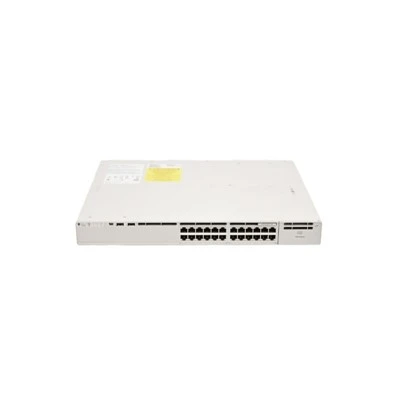

In modern network architecture, Cisco routers play a critical role as core networking devices in enterprise communication and data transmission. Their structural design and functional characteristics directly determine network stability, security, and scalability, making them widely used in enterprises, data centers, educational institutions, and carrier networks.
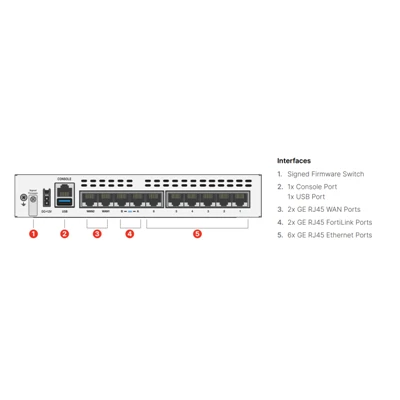
From a structural perspective, a Cisco router is typically composed of hardware and software components. The hardware section includes a central processing unit, memory modules, interface modules, and a power supply system. The CPU is responsible for data forwarding and routing calculations, while memory stores routing tables and running configurations. Interface modules connect different network devices to enable data input and output, and the power system ensures stable operation over long periods of use.
On the software side, Cisco routers run a dedicated network operating system that handles routing protocol management, packet forwarding, and network security control. The system supports multiple protocols such as OSPF, BGP, and RIP, allowing the device to dynamically select optimal paths based on network conditions and improve data transmission efficiency.
Another key structural feature of Cisco routers is their modular design. Users can flexibly add interface or functional modules according to specific requirements, allowing the device to adapt to networks of different sizes. This design enhances scalability while reducing long-term upgrade costs.
In terms of applications, Cisco routers are primarily used to enable communication between different networks. They connect local area networks with wide area networks, facilitating data exchange between internal enterprise systems and external networks. In organizations with multiple branches, Cisco routers can also establish secure remote communication channels through VPN technology, enabling cross-regional collaboration.
In addition, Cisco routers are widely used in data centers and cloud computing environments to handle large volumes of network traffic and ensure stable and efficient operations. They are also commonly deployed in industries such as education, finance, and government to build secure and reliable network infrastructures.
Overall, Cisco routers have become essential components of modern network systems due to their well-defined structure and broad range of applications.