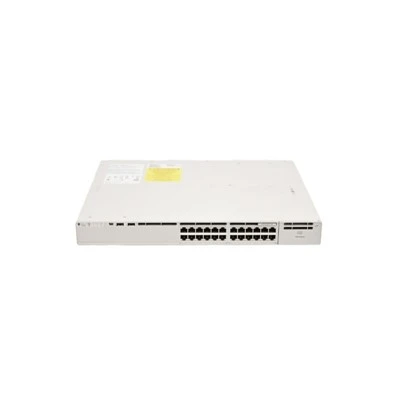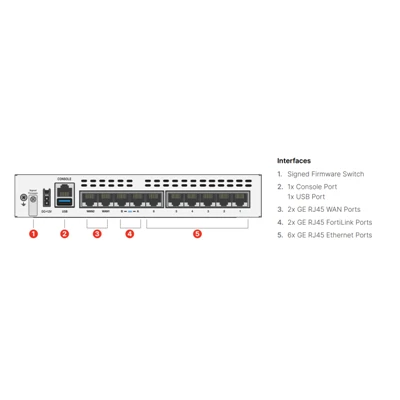

In enterprise network environments, Cisco routers serve as core devices, and their configuration and usage directly affect network stability and operational efficiency. Mastering practical usage techniques can significantly improve network management efficiency, reduce failure rates, and enhance overall performance.
One important aspect is proper basic configuration, especially IP address planning and subnet design. A well-structured network reduces address conflicts and improves data forwarding efficiency. When configuring routing tables, selecting either static or dynamic routing based on the actual network topology helps ensure optimal and stable data transmission paths.
Another key technique is the effective use of Access Control Lists (ACLs). ACLs help restrict unauthorized access, control data flow, and manage user permissions, thereby protecting internal network resources. In practice, rules should be configured flexibly according to business needs to avoid unnecessary complexity in management.
For performance optimization, enabling Quality of Service (QoS) allows prioritization of different types of network traffic. For example, voice communication and video conferencing can be assigned higher priority to prevent lag or delays during network congestion, ensuring smooth operation of critical services.
Regular monitoring of device status is also essential. Through Cisco router management interfaces or command-line tools, administrators can check CPU usage, bandwidth consumption, and interface status in real time, allowing early detection of potential issues and reducing network failures.
For remote management, it is recommended to use secure protocols such as SSH instead of traditional Telnet to enhance login security. Additionally, regularly backing up configuration files ensures quick recovery in case of device failure, minimizing service downtime.