

Hey there, fellow gamers! If you're like me, you've probably spent countless hours lost in the immersive world of simulation games. From flying high above the clouds in a virtual cockpit to managing a bustling city, simulation games offer a unique and engaging experience that keeps you coming back for more. But here's a question that often pops up: Can I use a wireless controller for simulation games? Well, buckle up, because I'm about to dive into this topic headfirst and share everything you need to know.
First off, let me introduce myself. I'm a supplier of wireless controllers, and I've seen firsthand how these nifty gadgets can take your gaming experience to the next level. So, let's get down to business and see if a wireless controller is the right fit for your simulation games.
The Benefits of Using a Wireless Controller for Simulation Games
One of the biggest advantages of using a wireless controller for simulation games is the freedom of movement it provides. Unlike traditional wired controllers, you're not tethered to your gaming console or PC, allowing you to sit back, relax, and get comfortable in your gaming setup. This can make a huge difference, especially during long gaming sessions when you need to stretch your legs or adjust your position without worrying about yanking on a cord.
Another benefit is the improved ergonomics. Wireless controllers are designed to be held comfortably in your hands for extended periods, reducing the risk of fatigue and wrist strain. This is particularly important for simulation games, which often require precise and detailed control over various functions. With a wireless controller, you can focus on the game without being distracted by discomfort or pain.
In addition to freedom of movement and ergonomics, wireless controllers also offer enhanced precision and responsiveness. Many modern wireless controllers are equipped with advanced motion sensors and haptic feedback technology, which can provide a more immersive and realistic gaming experience. For example, in a flight simulation game, the motion sensors can detect the slightest movement of your hands, allowing you to control the aircraft with greater precision. And the haptic feedback can simulate the feeling of turbulence or impact, making you feel like you're really in the cockpit.
Compatibility with Simulation Games
Now, let's talk about compatibility. The good news is that most wireless controllers are compatible with a wide range of simulation games. Whether you're playing on a gaming console like the PlayStation or Xbox, or on a PC, there's a good chance you'll be able to find a wireless controller that works with your game.
However, it's important to note that not all wireless controllers are created equal. Some may have better compatibility with certain games or platforms than others. Before you make a purchase, it's a good idea to do some research and read reviews to find out which wireless controllers are recommended for the specific simulation games you want to play.
For example, if you're a fan of racing simulation games, you might want to consider a wireless controller with a built-in steering wheel and pedals. These types of controllers can provide a more realistic and immersive racing experience, allowing you to feel like you're really behind the wheel of a high-performance car.
On the other hand, if you're into flight simulation games, you might prefer a wireless controller with a joystick and throttle control. These controllers are designed to mimic the controls of a real aircraft, giving you greater precision and control over your flight.
Our Wireless Controller Products
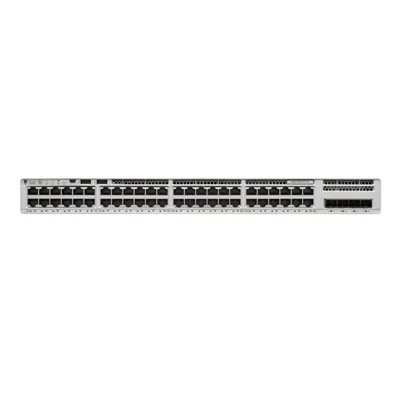
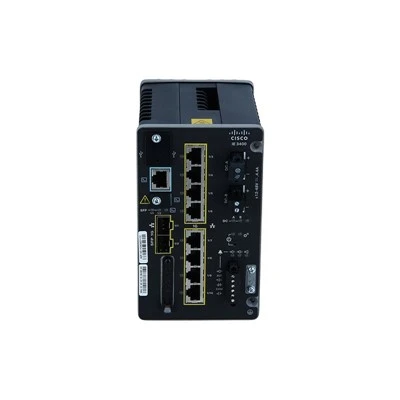
As a wireless controller supplier, we offer a wide range of products to meet the needs of different gamers. Here are some of our top picks for simulation games:
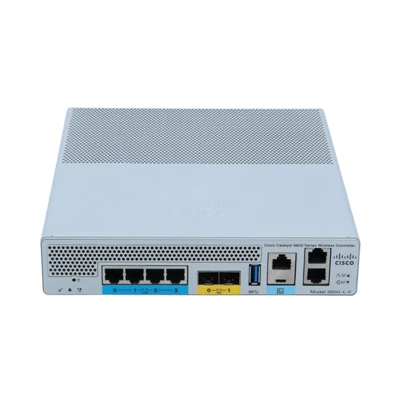
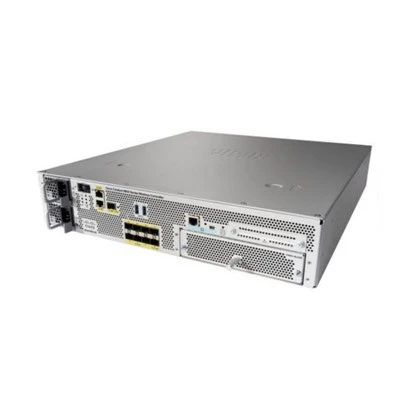
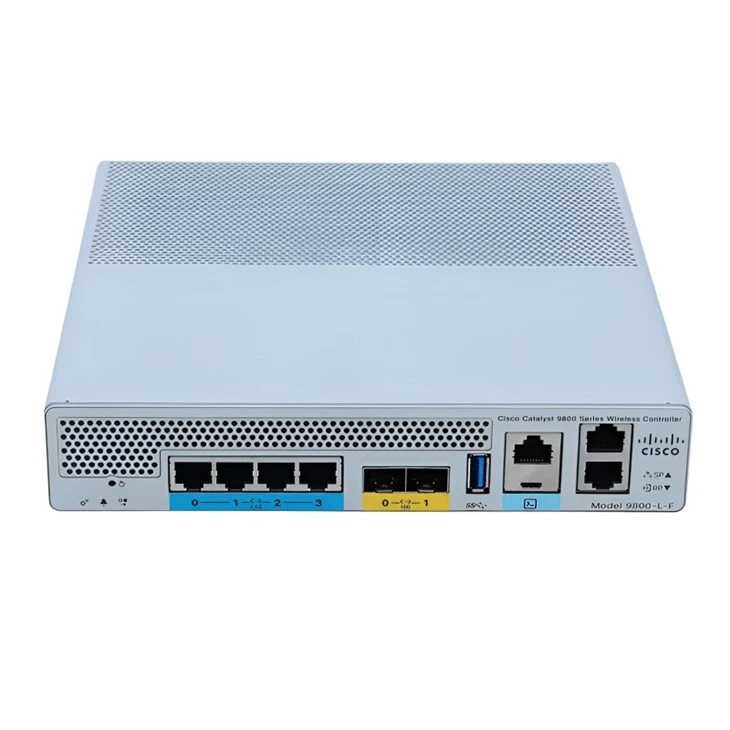
- C9800-L-F-K9: This wireless controller is designed for gaming consoles and PCs, and it offers a comfortable grip and responsive controls. It's also equipped with advanced motion sensors and haptic feedback technology, making it a great choice for simulation games.
- C9800-L-C-K9: If you're looking for a wireless controller with a more traditional design, the C9800-L-C-K9 is a great option. It features a classic layout and intuitive controls, making it easy to use for both casual and hardcore gamers.
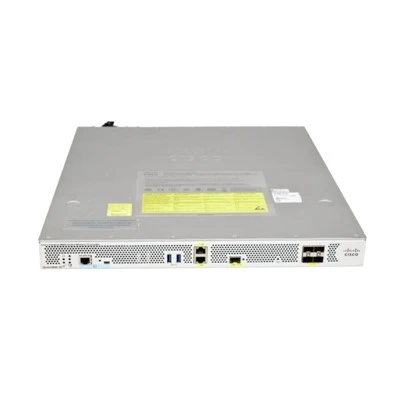
- C9800-80-K9: This high-performance wireless controller is designed for serious gamers who demand the best. It offers a wide range of features, including customizable buttons, adjustable sensitivity, and long battery life.
- C9800-40-K9: The C9800-40-K9 is a budget-friendly wireless controller that doesn't compromise on quality. It offers a comfortable grip, responsive controls, and compatibility with a wide range of gaming consoles and PCs.
Tips for Using a Wireless Controller in Simulation Games
Once you've chosen the right wireless controller for your simulation games, here are some tips to help you get the most out of your gaming experience:
- Calibrate your controller: Before you start playing, make sure to calibrate your wireless controller to ensure accurate and precise controls. This can usually be done through the settings menu of your gaming console or PC.
- Customize your controls: Most wireless controllers allow you to customize the buttons and controls to suit your preferences. Take some time to experiment with different configurations and find the setup that works best for you.
- Use the motion sensors: Many wireless controllers are equipped with motion sensors, which can add an extra layer of immersion to your simulation games. Try using the motion sensors to control the movement of your character or vehicle for a more realistic experience.
- Keep your controller charged: Wireless controllers rely on batteries to operate, so it's important to keep them charged to avoid any interruptions during your gaming sessions. Make sure to have a spare set of batteries on hand or consider investing in a rechargeable battery pack.
Conclusion
So, can you use a wireless controller for simulation games? The answer is a resounding yes! Wireless controllers offer a number of benefits, including freedom of movement, improved ergonomics, enhanced precision, and compatibility with a wide range of games. And with our wide selection of wireless controller products, you're sure to find the perfect one for your simulation gaming needs.
If you're interested in learning more about our wireless controller products or have any questions, please don't hesitate to reach out. We're here to help you take your simulation gaming experience to the next level.

References
- "Game Controller: A Beginner's Guide." [Publisher Name], [Publication Date].
- "The Best Wireless Controllers for Simulation Games." [Website Name], [Publication Date].