

In today's digital age, a reliable and strong Wi-Fi signal is no longer a luxury but a necessity. From streaming high-definition videos and playing online games to conducting business meetings remotely, our daily lives are deeply intertwined with a stable internet connection. As a wireless APs (Access Points) supplier, I've witnessed firsthand the transformative power of these devices in enhancing Wi-Fi signal strength. In this blog, I'll delve into the science behind wireless APs, explore how they can improve Wi-Fi signal strength, and introduce some of our top products.
Understanding the Basics of Wi-Fi Signal Strength
Before we discuss how wireless APs can improve Wi-Fi signal strength, it's essential to understand what affects the signal in the first place. Wi-Fi signals are radio waves that operate on specific frequencies, typically 2.4 GHz or 5 GHz. These signals can be weakened by various factors, including distance from the router, physical obstacles such as walls and furniture, interference from other electronic devices, and the number of connected devices.


When a Wi-Fi signal travels through the air, it loses strength over distance. The farther you are from the router, the weaker the signal becomes. Physical obstacles can also block or absorb the signal, further reducing its strength. For example, a concrete wall can significantly attenuate a Wi-Fi signal, making it difficult to get a strong connection in a room separated by such a barrier.
Interference from other electronic devices that operate on similar frequencies can also cause problems. Microwave ovens, cordless phones, and Bluetooth devices are just a few examples of devices that can interfere with Wi-Fi signals. Additionally, if multiple devices are connected to the same Wi-Fi network, the available bandwidth is shared, which can lead to slower speeds and a weaker overall signal.
How Wireless APs Improve Wi-Fi Signal Strength
Wireless APs act as intermediaries between your devices and the router, extending the range and strength of the Wi-Fi signal. They work by receiving the signal from the router and retransmitting it at a higher power level, effectively boosting the signal strength in areas where it was previously weak or non-existent.
One of the primary ways wireless APs improve Wi-Fi signal strength is by increasing the number of access points in a given area. By strategically placing multiple APs throughout a home or business, you can create a seamless network that covers a larger area. Each AP acts as a mini-router, providing a strong and stable signal to the devices within its range.
Another advantage of wireless APs is their ability to support multiple frequencies and channels. Many modern APs support both the 2.4 GHz and 5 GHz bands, allowing you to choose the frequency that best suits your needs. The 2.4 GHz band has a longer range but lower speed, while the 5 GHz band offers faster speeds but a shorter range. By using both bands, you can optimize the performance of your Wi-Fi network.
In addition to frequency support, wireless APs also support multiple channels. Channels are different frequencies within a given band, and by choosing the right channel, you can reduce interference and improve signal strength. Many APs have automatic channel selection features that can detect the least congested channels and switch to them automatically.
Our Top Wireless APs for Improving Wi-Fi Signal Strength
As a wireless APs supplier, we offer a wide range of products designed to meet the needs of different customers. Here are some of our top products that can significantly improve Wi-Fi signal strength:
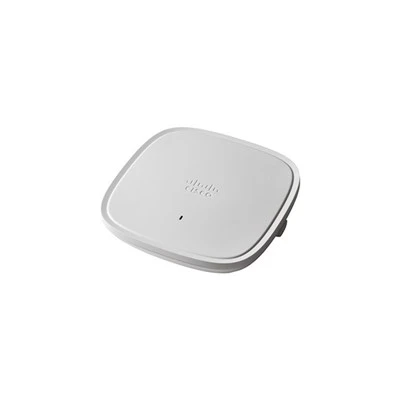
- C9124AXE-ROW: This high-performance access point is designed for large enterprises and public spaces. It supports the latest Wi-Fi 6E standard, which offers faster speeds, lower latency, and better performance in congested environments. With its powerful antennas and advanced beamforming technology, the C9124AXE-ROW can provide a strong and stable signal over a large area.
- C9120AXE: The C9120AXE is a versatile access point that is suitable for both small and medium-sized businesses. It also supports Wi-Fi 6E and offers excellent performance and reliability. With its compact design and easy installation, the C9120AXE is a popular choice for businesses looking to upgrade their Wi-Fi networks.
- C9130AXI: This access point is specifically designed for high-density environments such as stadiums, conference centers, and airports. It features multiple radios and advanced interference mitigation technology, allowing it to support a large number of devices simultaneously without sacrificing performance. The C9130AXI is a reliable solution for organizations that need to provide a seamless Wi-Fi experience to a large number of users.
- C9115AXE: The C9115AXE is a cost-effective access point that is ideal for home and small office use. It supports Wi-Fi 6 and offers good performance and range. With its compact size and easy setup, the C9115AXE is a great option for users who want to improve their Wi-Fi signal strength without breaking the bank.
- C9115AXI: Similar to the C9115AXE, the C9115AXI is also a budget-friendly access point that is suitable for home and small office use. It offers Wi-Fi 6 support and delivers a reliable and stable signal. The C9115AXI is a popular choice for users who are looking for a simple and effective way to enhance their Wi-Fi network.
Contact Us for Purchase and Consultation
If you're struggling with weak Wi-Fi signal strength or are looking to upgrade your existing Wi-Fi network, our wireless APs can provide a solution. We have a team of experts who can help you choose the right product for your needs and provide professional installation and support services.
Whether you're a homeowner, a small business owner, or a large enterprise, we have the products and expertise to meet your Wi-Fi requirements. Don't let a weak Wi-Fi signal hold you back. Contact us today to discuss your options and start enjoying a faster, more reliable Wi-Fi connection.
References
- Cisco, "Wi-Fi 6E: The Next Wave of Wireless Connectivity," Cisco White Paper.
- IEEE, "IEEE 802.11ax Standard Specification," IEEE Organization.
- TechTarget, "Understanding Wi-Fi Signal Strength and How to Improve It," TechTarget Articles.