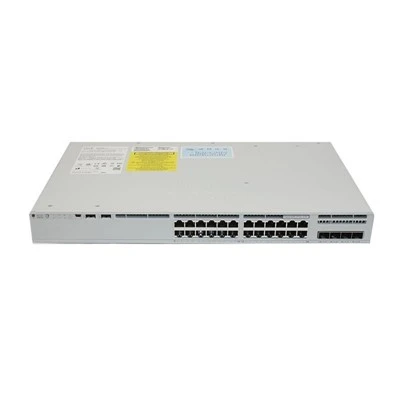



If the circuit provider is due on Thursday and your Cisco switches arrive on Monday, there is no reason to wait until Thursday to inspect every carton and review the handover. Catalyst 9300L offline staging works best when the buyer defines exactly which checks can be completed locally and which need the production connection. The objective is a switch that can be identified, reached and checked against the approved design before the installer travels to site.
For a quote built around the Catalyst C9300L-24P-4G listed by AITI, start with the complete product code, intended software, management method, actual endpoint list and the connection that will be missing. Cisco's Catalyst 9300 family documentation is the starting point for model and release verification. Get any software, licensing or management obligations confirmed for the actual deployment. A staged switch has passed the stated checks. Its status should also show what remains open for day one.
Separate the staging datesRecord what the bench has demonstrated and what the installed site still needs to prove.

AITI Catalyst C9300L-24P-4G listing · AITI Cisco switch catalog
1The two dates that make staging worthwhile
Ask the installer when they can unpack the equipment and when the site network becomes available. Put those dates alongside the last day for raising a shipment discrepancy, the date the configuration must be approved and the first time support staff can attend site. If the spare switch is going to another building, confirm whether the same bench result can cover it. Its planned role may be different even when the box labels look identical.
The buyer can gather useful evidence before anyone signs in. Match the product ID and quantities to the order and the label, inspect the condition under the agreed incoming procedure, and separate the accessories that belong to each installation. Ask the supplier to distinguish standard inclusions from separately quoted items. A device may be correct and still arrive without a lead or accessory listed in the project's scope. Put that gap beside the relevant shipment item instead of burying it in a general acceptance note.
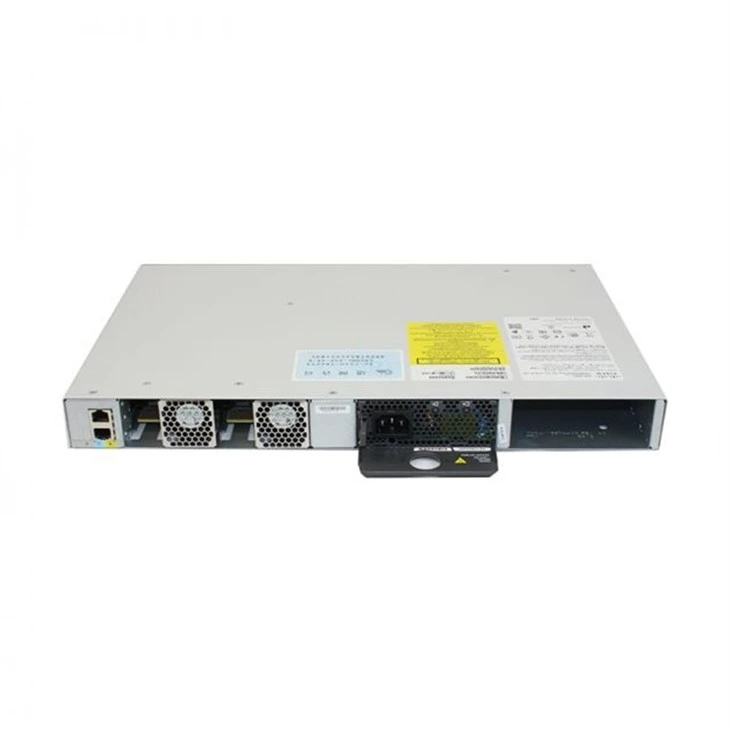
Give the stockroom and the engineering bench a common identifier. A delivery-note line may point to three similar cartons while the staging record refers to one individual unit. The technician should be able to link the serial number, product ID, bench result and final destination without opening the other cartons. Decide who can move a labeled unit to a different site and how that movement changes the handover file.
2Separate local evidence from network evidence
The network owner should identify an authorized local access method for the exact hardware and software, and provide the approved staging procedure and test scope. Have the technician confirm where the approved configuration is stored, which revision is to be used and how to record the result without exposing credentials or customer network information. Consulting Cisco's software and configuration documentation by release is preferable to carrying over a setup from a different switch family because its front panel looks familiar.
| Stage | Evidence to collect | What may remain open |
|---|---|---|
| Receiving | Product code, serial if applicable, condition and supplied items | Discrepancy review with the supplier |
| Bench access | Authorized local access and observed software version | Production management path and administrative reachability |
| Configuration review | Approved file revision and record of agreed local checks | Reachability and policies that depend on the live network |
| Representative endpoints | Observed local outcomes for defined test equipment | Actual installed endpoints and live application performance |
| Day-one release | Confirmed site services and signed result for each outstanding item | Separate exceptions with an accountable owner |
Consider a hypothetical branch with a checkout area and four office access points. The circuit has not arrived, but the integrator has a representative powered endpoint and a suitable test setup approved by the network owner. The integrator can document whether the switch and that endpoint behave as expected in the local setup. That result cannot confirm the field cabling or the office's online applications. Put the setup and result in the bench record and leave the field requirements open.
Avoid naming a pile of tasks "offline configuration" on the purchase order. Label tasks as receiving, staging, site commissioning or customer-owned service. Ask the parties to confirm where each task ends. That can prevent paying a reseller for a service you expected an installer to provide, or arriving at a site with an approved configuration on a laptop that cannot be used under local policy.
3Choose the first checks you can still run at the branch
Walk through the installed path on a drawing with the technician who will actually be there. Show the management arrangement, test endpoints and equipment that must be ready before a site test can begin. Identify which live tests can happen on a local authorized network and which rely on upstream connectivity, subscription access or another party. If an outage has postponed more than one service, write a dependency next to each test rather than moving every item to a single date.
A common day-one question is whether the proposed uplink matches the equipment at the other end. Give the integrator the exact switch model, peer equipment and agreed cabling scheme. Ask them to compare the authoritative specifications for both ends. Then ask who checks the actual installed path. Confirmation of the hardware interfaces in a quote does not prove that an installer can find the right patch position at the branch.
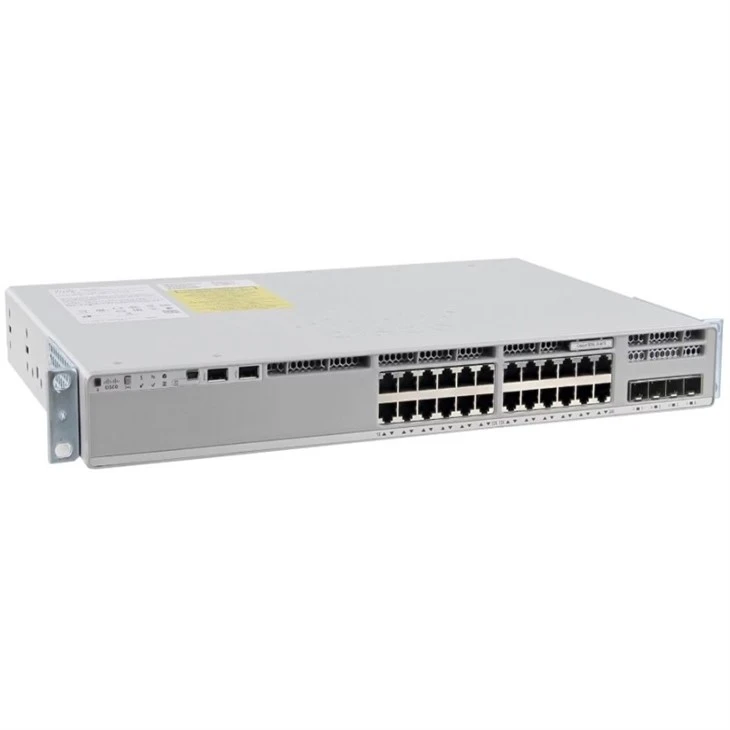
Power needs deserve the same treatment. List the actual powered devices and the approved requirements for the expected operating conditions. Ask the network owner to verify the exact model's documented support and budget, including any reservations for future equipment. A port count does not describe the total power needed. Keep the available evidence and the unresolved field work on separate lines.
Give day one a written fallback
If the branch will open before final connectivity, determine what service, if any, is authorized in that interim state. Have the business owner and network owner approve it in advance. State who can change the release status and who will tell users when a dependency is unavailable. Keep the staging team from being put in the position of approving a temporary business process at the equipment rack.
4Build the quote around the exact units and support
Ask for a quote by SKU with condition, region, included items and availability confirmed at the time of inquiry. Use wording such as "Check current availability for C9300L-24P-4G" on the request. Put the software edition, license or entitlement assumptions where the supplier can confirm them. A condition or offer that differs should appear as its own line. An inventory screenshot alone does not establish any right to software or entitlement for a deployment.
When comparing two offers, write out what the supplier will verify and what the installation partner will verify. For example, one may provide shipment identity and packing information while another also provides a check before dispatch. Ask which equipment and checks any supplied document covers. Do not treat a generic pre-dispatch note as the branch's commissioning report. Tie the invoice, received units and handover evidence to the same project.
Use a short staged status set: received, bench checks complete, site checks open and released. Allow the network owner to add a hold with a specific cause. If units will be staged at more than one bench, agree the required evidence before approving the first box. When a fault is found, preserve the label, serial, observed behavior and conditions where permitted. Give the supplier the record it needs, while using the customer's approved channels for any private configuration or diagnostic material.
At the end of the job, the facilities and support teams should both be able to locate the same installation record. Keep the actual cabinet location and accepted configuration revision with each serial. Close the items that depended on the live site only after their individual results are available. That step gives the next person a practical basis for troubleshooting or replacing a unit, even if the rollout happened in more than one visit.
Confirm the fixed-uplink model before reserving optics
Cisco lists the C9300L-24P-4G with 24 PoE+ access ports and four fixed 1 GbE uplinks. Match that model-specific arrangement to the branch plan, then verify the agreed link media and actual supported combinations. If the installer assumed a different uplink speed or a separate removable uplink module, put that discrepancy on the quote before it affects any other equipment.
Questions before the branch opens
Can a switch be staged when the site has no internet?
Authorized local tasks can often be planned separately from those that need a working service. Ask the network owner to approve the exact local checks, access method and equipment, then identify any external dependency and test it when available.
Is an offline sign-in proof that cloud management will work?
It provides evidence for the access method and conditions used in the trial. Confirm the management requirements for the exact software, account and deployment model. Plan a distinct test when the required network and services are in place.
Does a boot record settle software and licensing questions?
Keep the observed software release with the device record. Confirm applicable licensing, software availability and support rights through the authorized documentation and purchasing terms. A startup result alone does not establish those rights.
How should I stage a spare for a second branch?
Give the spare its own identity and approved destination. Identify which checks it shares with the primary unit and which depend on a different topology, accessory set or software decision. Preserve the compatible configuration reference with it.
What happens if the actual site uplink differs from the bench?
Document the changed peer equipment or installed path and bring it to the network owner. Verify the documented interfaces for both ends and update the appropriate site test. Keep the scope of the earlier result visible.
What should the first inquiry include?
Send the full SKU, quantity, delivery destination, planned connection, software and license questions, accessory expectations and dates for receiving and field work. Ask the supplier to confirm the offer on those terms and list unresolved items.
Plan your quote and staging handover together
Share the exact configuration and delivery date with AITI, along with your bench and site responsibilities. Ask for written confirmation of the relevant offer, included items and current availability.