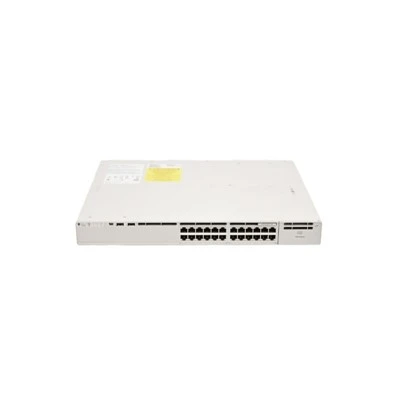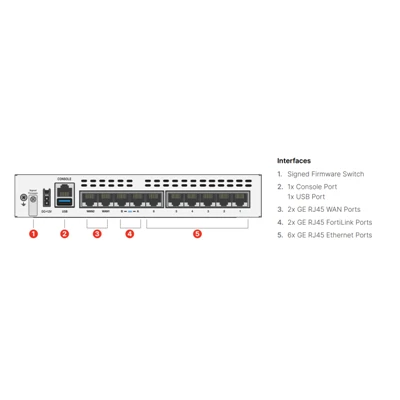

With the rapid development of industrial automation and smart manufacturing, industrial networks have become a fundamental part of production systems. As a key component of industrial networking, Cisco industrial switches primarily enable efficient data exchange and stable communication between industrial devices, ensuring continuous and reliable production operations.
One of the primary functions of Cisco industrial switches is enabling interconnection between industrial devices. In industrial environments, sensors, controllers, actuators, and monitoring systems need to exchange data in real time. Industrial switches use high-speed Ethernet forwarding mechanisms to connect these devices within a unified network, ensuring fast and accurate data transmission.
Another important role is improving network stability. Industrial production is highly sensitive to network interruptions, and even brief communication failures can lead to production downtime. Cisco industrial switches typically support ring redundancy and fast failover mechanisms, allowing them to switch to backup links within a very short time when a failure occurs, ensuring continuous network operation.
In terms of data management, industrial switches use VLAN technology to logically segment different production areas or device types. This enables network isolation and refined management, improving both security and operational order while preventing interference between different systems.
In addition, Cisco industrial switches play a key role in optimizing industrial data transmission efficiency. Through QoS traffic management mechanisms, critical control signals can be prioritized to ensure low latency and high reliability, which is essential for automated production lines.
From an operational perspective, industrial switches support remote monitoring and centralized management. Maintenance personnel can monitor device status, port traffic, and network topology in real time, improving troubleshooting speed and overall management efficiency.
Overall, the main functions of Cisco industrial switches include device interconnection, network stability assurance, traffic optimization, and centralized management support, making them an indispensable foundation for industrial automation and smart manufacturing network systems.